
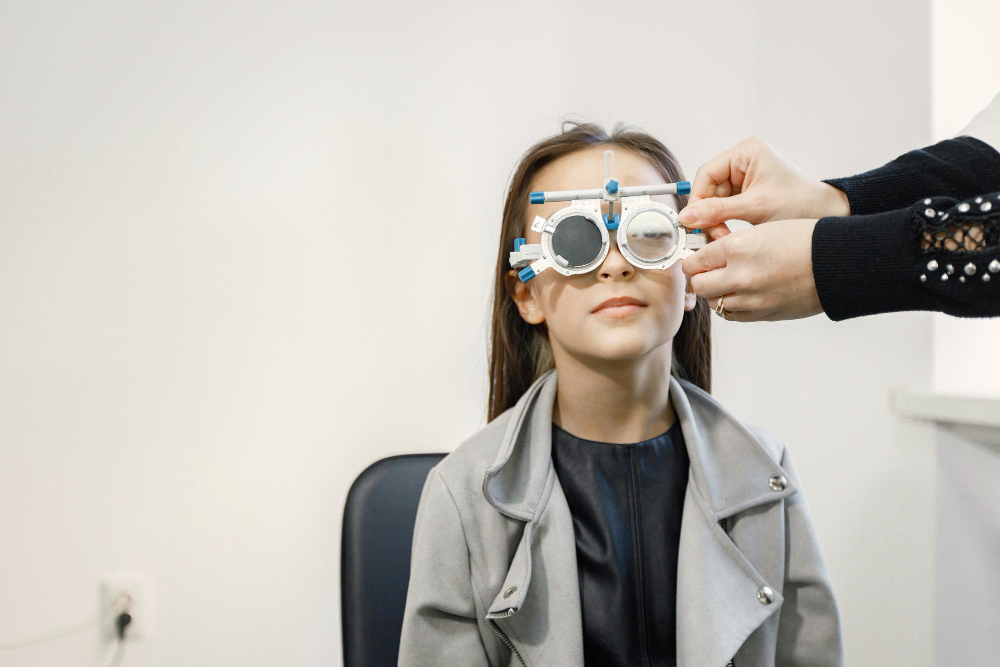
The Importance of Early Vision Detection
Many people do not notice small changes in their eyesight at first. However, early detection of vision changes is key to preventing vision loss. Optometrists play a vital role in this process. They use special tools and tests to detect early vision changes. According to the World Health Organization (WHO), over 2.2 billion people worldwide have a vision impairment or blindness. Many of these cases could have been prevented or treated if caught early. Therefore, regular eye exams help spot early signs of vision problems before they get worse.
Common Early Signs of Vision Changes
It is important to know the early signs of vision problems. While some symptoms are easy to notice, others are subtle. For example, you may not realize your vision is changing until it affects daily life. But, catching these signs early can help prevent further issues. Look out for these common symptoms:
If you notice any of these signs, it is wise to see an optometrist soon.
How Optometrists Identify Vision Changes
Optometrists use many tools to detect early vision changes. During an optometrist eye exam, they check your eyesight and eye health. They may use the following tests and technology:
In addition, modern technology like digital retinal imaging helps spot problems even earlier. Because of these tools, optometrists can find issues before you notice symptoms.
Benefits of Regular Eye Exams
Regular eye exams offer many benefits. Not only do they help detect early vision changes, but they also protect your overall eye health. For example, some eye diseases, like glaucoma and diabetic retinopathy, show no early symptoms. Yet, optometrists can find these problems during a routine exam. The Centers for Disease Control and Prevention (CDC) recommends adults get a comprehensive eye exam every one to two years, especially after age 40. Early treatment can prevent or slow vision loss in many cases.
Tips for Maintaining Eye Health and When to See an Optometrist
Taking care of your eyes is important at every age. While regular check-ups are key, you can also follow these tips to keep your eyes healthy:
However, you should see an optometrist if you notice any vision changes, eye pain, or sudden loss of sight. Early action can make a big difference.
Conclusion
In summary, optometrists play a key role in detecting early vision changes. Because they use advanced tests and technology, they can spot problems before they become serious. Regular eye exams help prevent vision loss and keep your eyes healthy. Schedule a comprehensive eye exam with a qualified optometrist Dr. Nikhil Karunakota to protect your vision.