
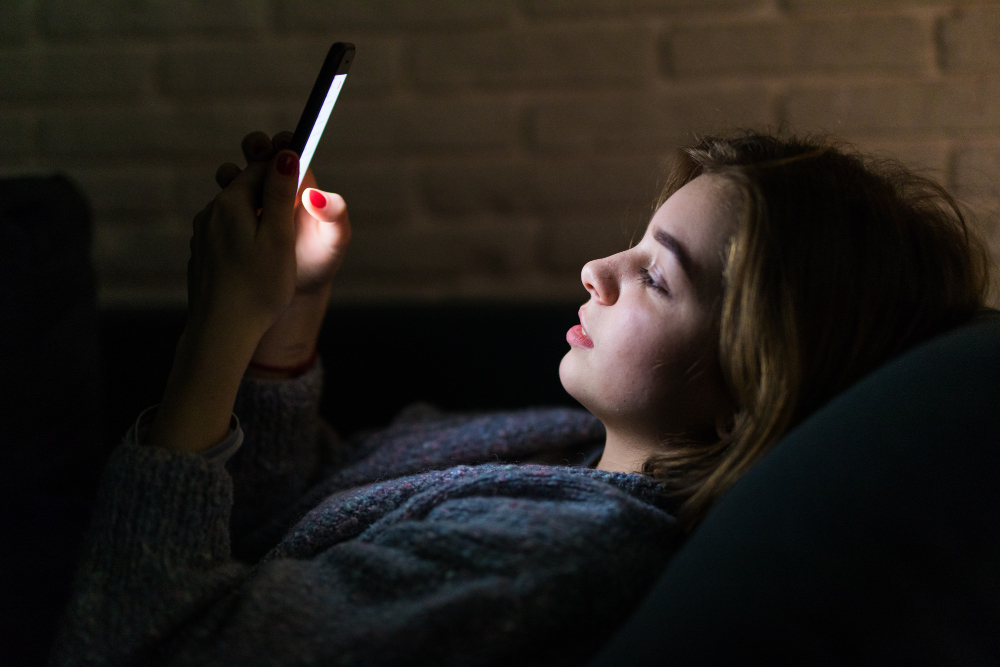
Introduction: Why Screen Time Matters for Children’s Eye Health
Today, many children spend hours each day on screens. This includes tablets, computers, phones, and TVs. Because of this, screen time and vision problems in children have become a growing concern. Parents often wonder if too much screen time can harm their child’s eyes. In fact, experts from the CDC and WHO warn that long screen use may affect children’s eye health. Therefore, it is important to understand how screens can impact vision and what you can do to help.
Symptoms: Signs of Vision Problems from Excessive Screen Time
Children may not always tell you when their eyes hurt. However, there are signs you can watch for. Early detection helps prevent bigger problems. For example, look for these common symptoms:
If you notice these signs, it may be time to check your child’s eyes.
Causes: How Screen Time Affects Children’s Eyes
Screen time can cause digital eye strain in kids. When children look at screens for long periods, their eyes work harder. As a result, they may blink less, which can dry out the eyes. Also, screens often require children to focus up close. Over time, this can lead to eye fatigue and discomfort. In some cases, too much screen time may even increase the risk of nearsightedness (myopia).
Diagnosis: How Vision Problems Are Identified in Children
Early diagnosis is key to protecting children’s eye health and screens can make this more important. Eye doctors use several methods to check for vision problems. For instance, they may:
Because some children may not notice changes in their vision, regular eye exams are important. The American Academy of Ophthalmology suggests eye checks every one to two years for school-aged children.
Treatment: Managing Vision Problems from Screen Time
Once a doctor finds a vision problem, several treatments may help. For example, your child may need:
In most cases, early treatment can prevent lasting damage. However, follow your doctor’s advice for the best results.
Prevention: Tips to Reduce the Risk of Eye Problems
Parents can help prevent digital eye strain in kids by setting healthy screen time rules. Here are some practical tips:
By following these steps, you can help protect your child’s eyes from strain.
Lifestyle Guidance: Healthy Habits for Children’s Eye Health
Besides limiting screen time, healthy habits support children’s eye health and screens should not replace outdoor play. For instance, try these ideas:
These habits can help keep your child’s eyes healthy for years to come.
Conclusion: Early Action Makes a Difference
In summary, screen time and vision problems in children are closely linked. While screens are part of daily life, too much use can harm eye health. Watch for symptoms, set healthy limits, and encourage good habits. Most importantly, regular eye exams help catch problems early. Consult Dr Nikhil Karunakota, an eye specialist for personalized advice on your child’s vision health.