What Is Blurry Near Vision After 40?
Many adults notice blurry near vision after 40. This is a common age-related vision change. In fact, it often means you have trouble seeing things up close, like reading small print. This condition is called presbyopia. As we age, our eyes slowly lose the ability to focus on nearby objects. According to the World Health Organization (WHO), presbyopia affects over one billion people worldwide. Because it is so common, it is important to understand why it happens and how to manage it.
Common Symptoms
Blurry near vision after 40 can show up in many ways. For example, you may notice these symptoms:
Sometimes, these symptoms appear slowly. However, they can become more noticeable over time. If you notice any of these signs, it may be time for an eye exam for adults over 40.
Main Causes
The main cause of blurry near vision after 40 is presbyopia. As we age, the lens inside the eye becomes less flexible. Because of this, the eye cannot focus on close objects as easily. This is a natural part of aging and not a disease. Other age-related vision changes can also play a role. For instance, dry eyes or changes in the shape of the eye may add to the problem. But presbyopia is the most common reason for these symptoms.
How Is It Diagnosed?
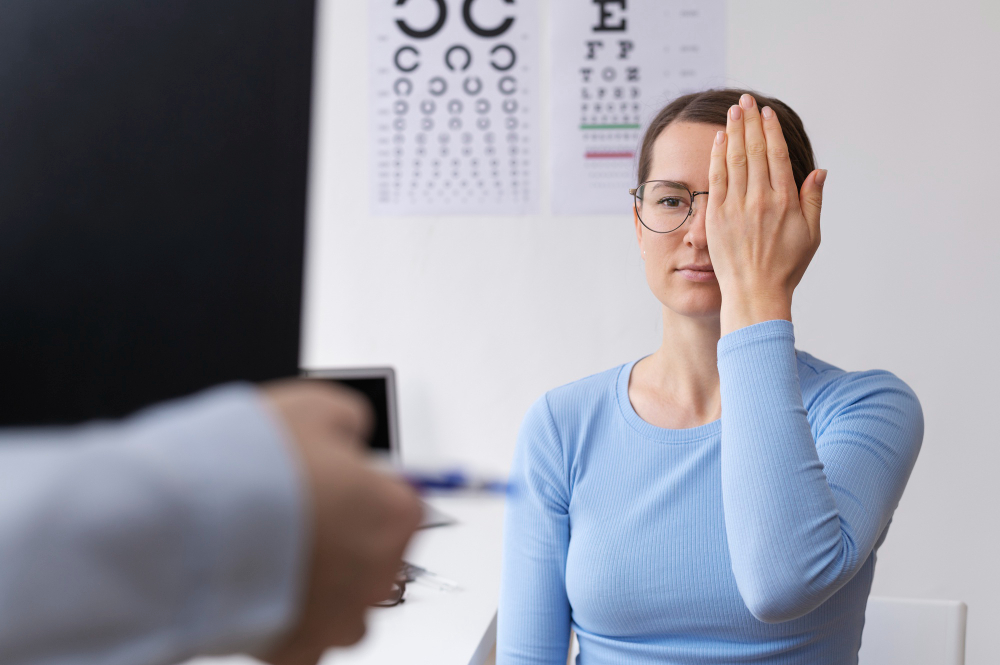
Getting your eyes professionally assessed is the best way to diagnose blurry near vision after 40. An eye specialist will perform a full eye exam. During the exam, you may be asked to read letters on a chart or look at objects up close. The doctor may also check for other eye problems, such as cataracts or glaucoma. Early diagnosis is important. Not only does it help you find the right treatment, but it can also catch other eye conditions early. The Centers for Disease Control and Prevention (CDC) recommends regular eye exams for adults over 40.
Treatment Options
There are many treatment options for blurry near vision after 40. Your eye doctor will help you choose the best one. Common treatments include:
In addition, lifestyle tips can help. For example, use good lighting, take breaks from screens, and avoid eye strain. Your doctor can suggest the best treatment for your needs.
Prevention and Eye Health Tips
While you cannot stop presbyopia, you can keep your eyes healthy. Try these tips:
Moreover, staying healthy overall can help your eyes. For instance, managing diabetes and high blood pressure lowers your risk of eye problems.
When to See an Eye Specialist
If you notice blurry near vision after 40, do not ignore it. See an eye specialist if:
Early assessment can prevent further problems. In summary, regular check-ups help keep your eyes healthy as you age.
If you notice blurry near vision after 40, consult Dr. Nikhil Karunakota for a professional assessment and personalized advice.