What Is Childhood Myopia?
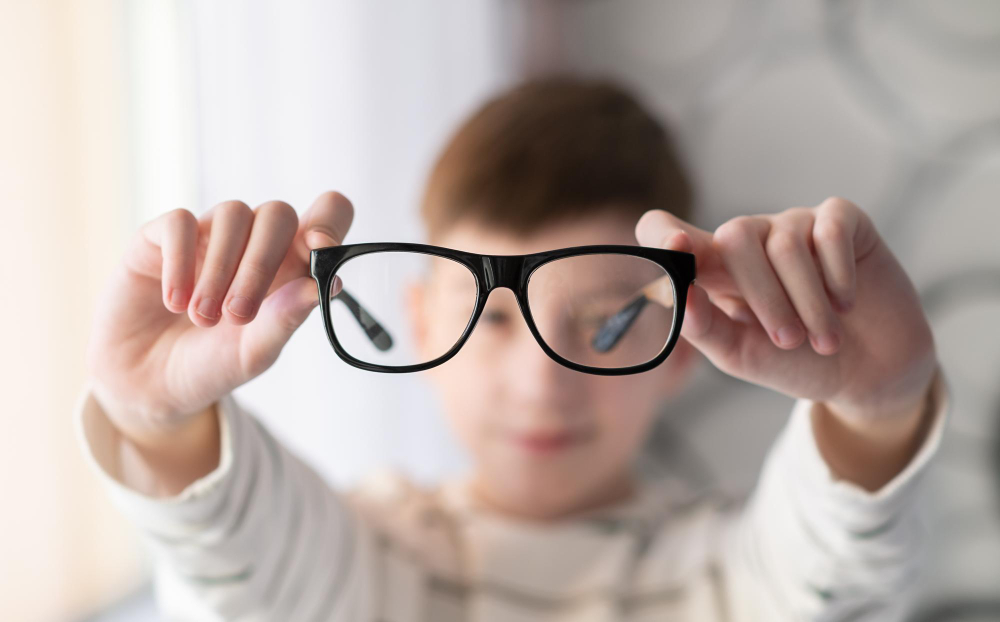
Childhood myopia, also called nearsightedness, is a common eye condition. It means children can see things up close but have trouble seeing things far away. In recent years, myopia in children has become more common worldwide. Because of this, many parents are concerned about their children’s eye health. Myopia happens when the eye grows too long or the cornea is too curved. As a result, light focuses in front of the retina instead of on it. This causes distant objects to look blurry.
Why Is Childhood Myopia Increasing?
Recently, experts have noticed increasing rates of nearsightedness in children. There are several reasons for this trend. First, children now spend more time indoors. They often use screens for school and play. Because of this, their eyes do not get enough exposure to natural light. Also, reading or using devices up close for long periods can strain young eyes. According to the World Health Organization (WHO), childhood myopia is rising, especially in urban areas and developed countries. In fact, some studies predict that by 2050, half of the world’s population may be nearsighted.
Symptoms and Early Signs of Myopia in Children
It is important for parents to notice early signs of myopia in kids. Early detection can help manage childhood myopia more effectively. Some common symptoms include:
However, some children may not notice changes in their vision. Therefore, regular eye exams are important for all children.
How Is Childhood Myopia Diagnosed?
Eye specialists, also called optometrists or ophthalmologists, can diagnose myopia in children. During an eye exam, the doctor will:
Because myopia can worsen as children grow, regular check-ups are important. Early diagnosis helps in managing childhood myopia and slowing its progression.
Effective Ways to Manage and Slow Myopia Progression
There are several ways to manage childhood myopia and slow its progression. Some proven methods include:
According to the American Academy of Ophthalmology, these steps can help reduce the risk of severe myopia later in life.
Lifestyle Tips and Prevention Strategies for Parents
Parents can take simple steps to help prevent or slow myopia in kids. For example, you can:
By following these tips, you can support your child’s eye health and help prevent myopia from getting worse.
When to See an Eye Specialist
It is important to see an eye specialist if you notice any signs of vision problems in your child. For instance, if your child squints, sits too close to screens, or complains of blurry vision, schedule an eye exam soon. Even if there are no symptoms, regular check-ups are key. Early treatment can make a big difference in managing childhood myopia and protecting your child’s vision.
In summary, childhood myopia is becoming more common, but there are many ways to manage and prevent it. Therefore, consult an eye specialist Dr. Nikhil Karunakota for personalized advice and regular eye exams for your child. Early action can help keep your child’s eyes healthy for years to come.