
Introduction
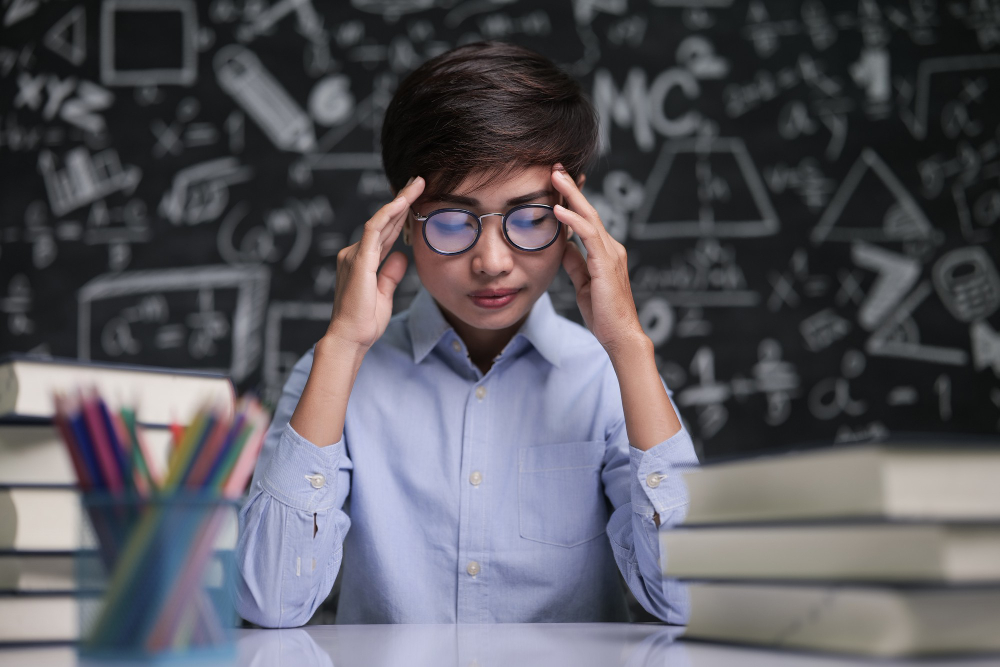
Frequent headaches in children can worry many parents. While headaches are common, they may sometimes point to deeper issues. For example, vision problems are a leading cause of frequent headaches in children. According to the CDC, up to 25% of school-aged kids have some type of vision problem. Because children may not always say they are having trouble seeing, headaches can be an early clue. Understanding the link between headaches and eyesight is important for your child’s health.
Common Symptoms
Headaches in children can show up in many ways. Often, these headaches are mild to moderate. However, they may happen several times a week. In addition, you might notice these signs:
Sometimes, children may avoid tasks that need sharp vision. For instance, they may not want to read or do homework.
Possible Causes
Many things can cause headaches in children. Yet, vision problems are a common reason. Some possible causes include:
According to the American Academy of Ophthalmology, untreated vision problems can affect learning and daily life.
How Vision Issues Lead to Headaches
When a child has trouble seeing clearly, their eyes work harder to focus. As a result, this extra effort can cause eye strain. Over time, the strain may lead to headaches. For example, reading small print or looking at screens for long periods can make things worse. In some cases, the brain tries to fix blurry images, which also adds to the stress. Because children may not realize their vision is the problem, headaches become a warning sign.
Diagnosis
Early diagnosis is key to helping children feel better. First, parents should watch for signs of vision trouble. If headaches are frequent, it is wise to schedule an eye exam for kids. During the visit, an eye doctor will check for refractive errors and other eye problems. In addition, doctors may ask about headache patterns and daily habits. Sometimes, a full eye exam is needed to find hidden issues. The CDC recommends regular eye exams for all children, even if they have no symptoms.
Treatment Options
Treating vision-related headaches often starts with correcting the vision problem. Common treatments include:
Sometimes, treating an underlying eye condition may also help. For example, patching therapy for lazy eye can reduce headaches. An eye doctor will suggest the best plan for your child.
Prevention and Lifestyle Tips
Parents can take steps to lower the risk of headaches and eyesight problems. For instance, try these tips:
Additionally, a healthy diet and enough sleep can support eye health.
When to Seek Professional Help
While most headaches are not serious, some signs need quick attention. Contact a doctor if your child has:
If you notice any of these symptoms, seek medical help right away with Dr. Nikhil Karunakota. Early care can prevent problems and keep your child healthy.